
The Ultimate Guide
The Ultimate Fence Maintenance Guide
Maintaining your fence is an important part of safeguarding your investment, protecting your property, and ensuring it holds up year after year. In this ultimate fence maintenance guide, you’ll learn practical tips to clean and maintain your wood, vinyl, metal, chain link, or concrete fencing.
The Importance of Fence Maintenance
It’s easy to ignore your fence until it develops a problem, but regular fence maintenance pays off in several ways:
- Extend your fence’s lifespan
- Prevent safety and security breaches
- Retain or improve your property’s value
- Prevent expensive repairs or premature replacements
- Maintain your home’s curb appeal
Know Your Fence Type
The first and most important fence maintenance tip is to know what type of fence you have. After all, the material matters when it comes to maintaining it properly. A close inspection can help. Here’s how to spot some of the most common fence types installed in Florida:
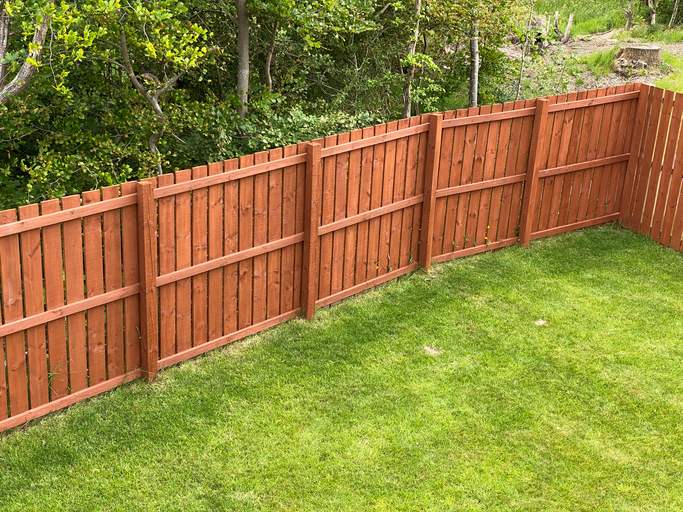
- Wood: You’ll see natural grain, occasional knots or splits, and possible discoloration or rot where the fence touches the ground.
- Composite: Look for a wood-like texture, but with greater uniformity and less natural grain variation. The lighter or synthetic-looking edges are another telltale sign of composite fencing.
- Aluminum: This lightweight metal fencing often has a powder-coated finish and slim posts and pickets. You shouldn’t see heavy rust, but scratches are possible.
- Ornamental wrought iron: Heavier, thicker metal bars and scrollwork are common. Wrought iron feels heavier than aluminum.
- Chain link: This fencing features a diamond-shaped wire mesh stretched between metal posts. Some installations include inserts that slide between the links for added privacy.
- Vinyl or PVC: A clean, smooth, plastic surface distinguishes vinyl from wood or metal. White is the most common, though other light colors are also available.
- Concrete: With this fence type, solid, heavy panels or posts have a uniform gray or finished texture.
General Fence Maintenance Checklist
No matter what your fence is made of, these basic tips apply to all materials:
- Inspect the entire fence twice a year, ideally in the spring and fall.
- Walk both sides of the fence line looking for loose parts, leaning posts, or other visible damage.
- Clean off dirt, debris, mold, or buildup.
- Trim back plants, grass, and weeds from around the base.
- Clear away vines or vegetation that climb or press on the fence.
- Check and tighten all screws and nails.
- Lubricate gate hinges and latches.
- Maintain drainage around the posts. Take action if you see pooling water or soil erosion.
Material-Specific Fence Maintenance
Different materials need different levels of care. Here are the top maintenance tips for each type of fencing we install.
Wood Fence Maintenance
Wood fencing has a classic, natural look, but it needs more attention than other materials. Here’s what to do:
- Clean the fence annually with a garden hose and a soft-bristle brush, or with a pressure washer.
- Reapply a quality sealant or stain every two to three years to protect against moisture, UV damage, and splitting.
- Inspect quarterly for rot, insect damage, soft spots, and loose or warped boards. Replace or re-attach affected pieces.
- Check posts for ground contact damage. Regrade the area if necessary to prevent the bottom boards from rotting due to prolonged contact with damp soil.
Composite Fence Maintenance
Composite fences offer greater durability, which means less maintenance. Still, they require a bit of care to help them last:
- Clean annually with mild soap and water or a composite-safe commercial cleaner.
- Inspect quarterly for mold or surface stains and clean gently if needed.
Aluminum Fence Maintenance
Aluminum fencing is strong and attractive, making it ideal for many Florida yards. To maintain aluminum fences:
- Clean annually with mild soap and water. Rinse thoroughly to avoid residue that might accelerate wear.
- Inspect twice a year for bent pickets or chips and scratches in the powder coating.
- Touch up damaged areas with manufacturer-approved paint.
Wrought Iron Fence Maintenance
Ornate iron fences are heavy-duty and decorative. Maintain them this way:
- Regularly wash with mild soap and water to remove dirt, pollen, and debris that can trap moisture and cause rust.
- Inspect for corrosion, especially at welded joints or spots where moisture has collected.
- Sand rusted spots down to the bare metal. Apply rust-inhibiting primer and paint to protect against further damage.
Chain Link Fence Maintenance
Chain link fences are durable and economical, but they still benefit from some upkeep:
- Clean once or twice a year with mild soap and water. For stubborn grime, use a stiff brush or a pressure washer set on low.
- Check once a month for bent or damaged links, loose fittings, or sagging rails.
- Maintain proper tension along the fence line to prevent sagging or leaning.
- Treat rust spots promptly. This involves sanding down the rust, applying rust-inhibitor primer, and painting or coating the links to match the rest of the fence.
Vinyl Fence Maintenance
PVC is among the lowest maintenance options. Simply follow these tips:
- Rinse regularly with a garden hose to remove dust, pollen, and algae.
- Deep clean at least once a year using mild soap and water or a vinegar-and-water solution. Scrub scuff marks and other stubborn areas with a soft brush or sponge, and rinse thoroughly.
- Inspect quarterly for cracks, broken panels, or loose posts. Repair or replace damaged sections promptly.
- Clear debris away from the bottom rails and check for misalignment after heavy rain or wind.
Concrete Fence Maintenance
Concrete walls are sturdy and long-lasting. Maintenance requirements are minimal:
- Inspect panels, posts, and joints periodically for cracks, chips, or other signs of wear.
- Clean with water and mild detergent to remove dirt, mildew, or stains. Avoid harsh chemicals that could degrade the concrete.
- Repair small cracks or surface damage with the appropriate patching materials.
Keep Your Fence in Great Shape
If you want your fence to last, but you don’t want to deal with the upkeep yourself, choose Fencing South Florida for fence maintenance service in Broward and Palm Beach County. Our family-owned company has over two decades of experience providing affordable, high-quality fencing installation and service. We install and maintain all the fencing materials outlined in this guide, and we keep costs low without sacrificing quality. Contact us today to discuss your needs, answer your questions, and schedule services with our fence repair company.
“”